
Introduction to Liver Damage Symptoms
The liver is one of the most vital organs in the human body, responsible for filtering toxins, aiding digestion, and maintaining overall health. When the liver is damaged, its ability to perform these functions gets affected, leading to serious health problems. Recognizing liver damage symptoms early is very important, as it helps in timely treatment and prevents complications like cirrhosis or liver failure. Many symptoms may start slowly and often get ignored, which makes awareness even more crucial.
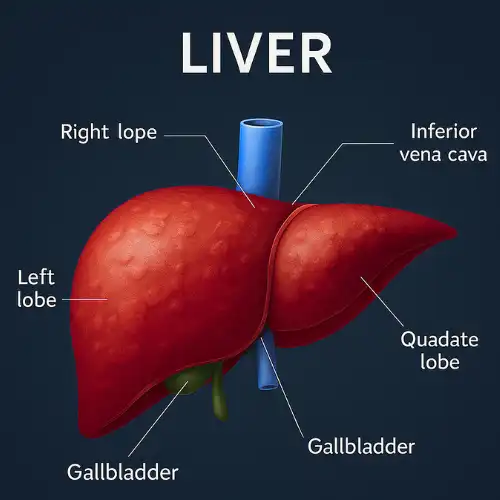
Why the Liver Is Important for Your Health
The liver is often called the body’s natural filter. It processes nutrients from food, breaks down harmful substances, and produces essential proteins for blood clotting and digestion. A healthy liver also regulates blood sugar levels and stores energy in the form of glycogen. Without proper liver function, the body cannot maintain balance, and multiple organs start getting affected. This is why protecting liver health and noticing liver damage symptoms early can save you from long-term health issues.
Common Causes of Liver Damage
Liver damage does not occur overnight. It usually develops slowly due to long-term unhealthy habits, infections, or exposure to harmful substances. Understanding the common causes helps you take preventive steps and lower your risk of severe liver diseases.
Alcohol Use
Excessive alcohol consumption is one of the leading causes of liver damage worldwide. The liver processes alcohol, but too much intake over time leads to inflammation, fat buildup, and scarring. This condition is often referred to as alcoholic liver disease, which can progress to cirrhosis if not controlled.
Hepatitis Infections
Viral infections like Hepatitis A, B, and C directly harm the liver. Hepatitis B and C, in particular, can cause chronic liver inflammation and lead to long-term complications such as liver cancer or failure. Vaccination and early treatment are key to preventing severe outcomes.
Fatty Liver Disease
When too much fat builds up inside the liver then Fatty liver disease occurs . It has two main types:
- Alcoholic Fatty Liver Disease (AFLD): caused by heavy drinking.
- Non-Alcoholic Fatty Liver Disease (NAFLD): linked to obesity, diabetes, and poor lifestyle.
If ignored, fatty liver can progress to non-alcoholic steatohepatitis (NASH), fibrosis, or cirrhosis.
Medications and Toxins
Certain medicines, when taken in high doses or for long periods, can damage the liver. Common examples include high doses of acetaminophen (paracetamol), some antibiotics, and anti-seizure drugs. Similarly, exposure to industrial chemicals, herbal supplements, or toxic substances can also harm liver cells. But do not use medicine without consulting a doctor.
Early Liver Damage Symptoms You Shouldn’t Ignore
In the beginning, liver damage may not show obvious signs. Many people continue their daily lives without realizing their liver is struggling. However, some subtle symptoms can be an early warning:
- Fatigue and Weakness: feeling tired even after proper rest.
- Loss of Appetite: reduced desire to eat or frequent nausea.
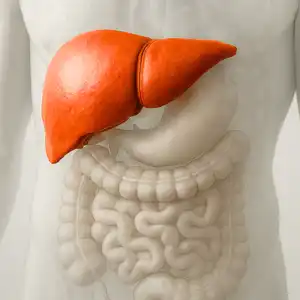
- Mild Abdominal Pain or Discomfort: especially in the upper right side of the abdomen.
- Unexplained Weight Loss: sudden drop in weight without dieting.
- Digestive Problems: bloating, indigestion, or frequent heartburn.
Catching these liver damage symptoms early can prevent further complications. If ignored, the condition can progress silently into more severe stages.
Advanced Liver Damage Symptoms and Warning Signs
As liver damage worsens, the symptoms become more noticeable and serious. At this stage, immediate medical attention is needed:
- Jaundice: yellowing of the skin and eyes due to bilirubin buildup.
- Dark Urine and Pale Stools: changes in color caused by improper bile processing.
- Swelling in Legs and Abdomen (Edema/Ascites): fluid buildup due to reduced liver function.
- Severe Itching (Pruritus): caused by bile salts accumulating under the skin.
- Easy Bruising and Bleeding: liver cannot produce enough clotting factors.
- Confusion or Memory Problems (Hepatic Encephalopathy): buildup of toxins affecting the brain.
These warning signs suggest advanced liver disease such as cirrhosis or liver failure. Quick medical diagnosis and treatment are crucial to avoid life-threatening complications.
How Doctors Diagnose Liver Damage Symptoms
When you experience signs of liver damage, a doctor will perform several tests to confirm the condition and its severity. Common diagnostic methods include:
- Physical Examination: the doctor may check for jaundice, abdominal swelling, or tenderness.
- Blood Tests (Liver Function Tests): measure liver enzymes (ALT, AST), bilirubin, and protein levels to assess liver health.
- Imaging Tests: Ultrasound, CT scan, or MRI can detect liver enlargement, fatty deposits, or scarring.
- Liver Biopsy: in certain cases, a small tissue sample is taken to evaluate the extent of damage.
- Other Specialized Tests: may include FibroScan or Hepatitis virus screening depending on the suspected cause.
Early diagnosis allows doctors to provide treatment before the liver damage becomes irreversible.
Complications of Ignoring Liver Damage Symptoms
Neglecting early liver damage symptoms can lead to serious health issues. Some potential complications include:
- Cirrhosis: permanent scarring of the liver that impairs function.
- Liver Failure: the liver loses its ability to perform vital functions, which can be life-threatening.
- Internal Bleeding: due to reduced clotting ability.
- Infections: the immune system may weaken, making infections more likely.
- Liver Cancer: long-term damage increases the risk of hepatocellular carcinoma.
- Fluid Accumulation: swelling in the abdomen (ascites) and legs (edema) due to poor liver function.
Early recognition and treatment of liver damage symptoms can prevent these severe complications and improve overall prognosis.
Treatment Options for Liver Damage
The lever treatment depends on liver damage conditions,cause and severity.. Doctors usually recommend a combination of lifestyle changes, medications, and, in severe cases, surgery. Early intervention can often reverse or slow down liver damage.
Lifestyle & Diet Changes
- Limit Alcohol Intake: stopping or reducing alcohol is crucial for liver recovery.
- Healthy Diet: eat more fruits, vegetables, whole grains, and lean proteins. Avoid fried, processed, and fatty foods.
- Regular Exercise: helps reduce fatty deposits in the liver and improves overall health.
- Maintain Healthy Weight: obesity increases the risk of fatty liver disease.
- Stay Hydrated: drinking enough water helps the liver flush out toxins.
Medications
- Antiviral Drugs: for liver damage caused by Hepatitis B or C.
- Liver-Protective Supplements: such as silymarin (milk thistle) under medical supervision.
- Medications for Complications: diuretics for fluid buildup, vitamin K for clotting issues, or other prescribed drugs depending on symptoms.
Liver Transplant (Severe Cases)
In advanced liver damage or liver failure, a liver transplant may be the only option. This procedure replaces the damaged liver with a healthy donor liver. It is usually recommended when other treatments are no longer effective and the liver can’t perform essential functions.
How to Prevent Liver Damage Symptoms in Daily Life
The easy-going lifestyle decisions are the beginning of preventing liver damage. You can save your liver and improve the chances not to have some severe issues visiting a doctor because the healthy habits become a part of your everyday daily routine:
Eat a Balanced Diet: add fruits, vegetables, whole grains, and low-fat proteins; do not eat too much sugar or processed foods.
Reduce Alcohol: alcoholism is one of the primary causes of liver damage.
Exercise Often: at least 30 minutes daily to have a healthy weight and minimize the risk of fatty liver.
Avoid Poisonous substances: exercise care with drugs, natural supplements and industrial chemicals.
Vaccination: The hepatitis A and B vaccination can prevent liver infections.
Frequent Health Checkups: frequent blood tests help in identifying the presence of liver issues early even before the symptoms set in.
When to See a Doctor for Liver Damage Symptoms
It’s important not to ignore early warning signs. You should consult a doctor if you experience:
- Persistent fatigue or weakness
- Yellowing of skin or eyes (jaundice)
- Swelling in the abdomen or legs
- Unexplained weight loss or loss of appetite
- Dark urine or pale stools
- Severe itching or easy bruising
Early diagnosis means an apt diagnosis and treatment before complications set in and it enhances chances of recovery because of early medical care.
FAQs on Liver Damage Symptoms
What are the early signs of liver damage?
Early signs can be subtle and often go unnoticed. Common symptoms include fatigue, loss of appetite, mild abdominal discomfort, nausea, and unexplained weight loss. Recognizing these signs early is important for timely treatment.
Can liver damage be reversed?
Yes, in many cases, early liver damage can be reversed with lifestyle changes, proper diet, exercise, and medications. However, advanced liver damage like cirrhosis is usually irreversible, and management focuses on preventing further progression.
What causes liver damage?
Liver damage can be caused by excessive alcohol consumption, viral infections like hepatitis B or C, fatty liver disease, medications, toxins, and certain genetic conditions. Maintaining a healthy lifestyle can help reduce these risks.
How is liver damage diagnosed?
Doctors use a combination of physical examinations, blood tests (liver function tests), imaging studies (ultrasound, CT scan, MRI), and sometimes a liver biopsy to diagnose liver damage and determine its severity.
When should I see a doctor for liver damage symptoms?
You should consult a doctor if you experience persistent fatigue, jaundice (yellowing of skin or eyes), swelling in the abdomen or legs, dark urine, pale stools, or severe itching. Early medical attention can prevent complications.
Can a healthy diet prevent liver damage?
Yes, a balanced diet rich in fruits, vegetables, whole grains, and lean proteins, combined with regular exercise and avoiding alcohol and toxins, can help protect your liver and prevent liver damage.
liver damage Is painful?
Liver damage is often painless in its early stages. Discomfort may appear later in the form of abdominal pain, swelling, or tenderness, especially if the damage becomes severe.
Can medications cause liver damage?
Yes, prolonged or high-dose use of certain medications, such as acetaminophen (paracetamol), some antibiotics, and anti-seizure drugs, can harm the liver. Always consult your doctor before long-term use.
Conclusion: Protecting Your Liver Health
Liver is an important organ, which keeps your body in good operation. Early detection of the signs of liver damage and precaution measures can help you avoid the complications such as cirrhosis or liver failure. With proper living practice, alcohol and toxin abstinence, and paying attention to the symptoms, you will be able to take care of your liver and live well in the long term.