
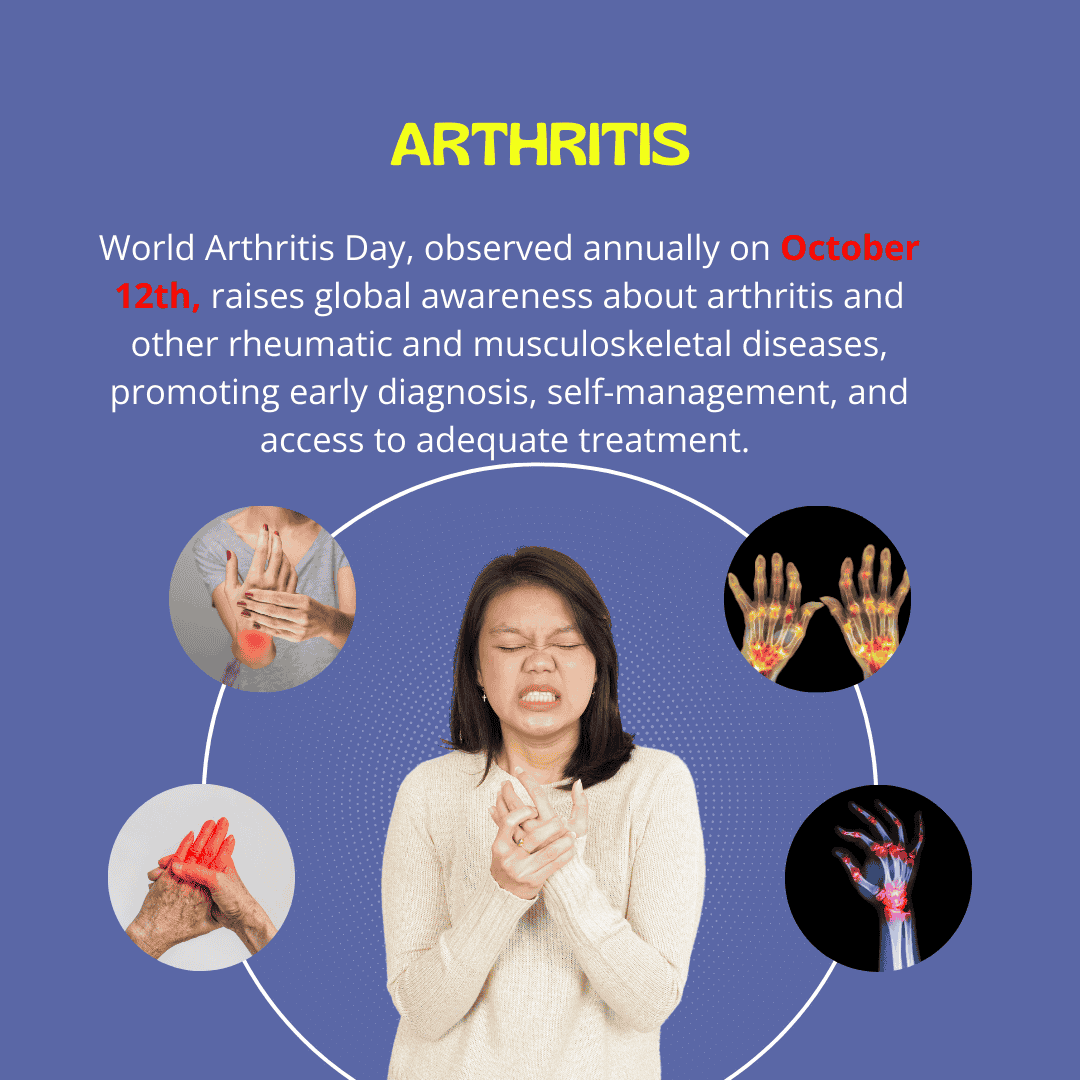
Overview of what arthritis is and its impact on the body.
The inflammatory disease known as arthritis impacts joints along with tissues near them thus resulting in significant daily life challenges for patients. The disorder causes pain along with stiffness and swelling which produces diminished mobility together with decreased quality of life. Joint discomfort along with inflammation makes it difficult for patients to perform their everyday activities. The treatment approach for efficient management consists of medication combined with physical therapy and lifestyle changes targeted at symptom relief and function improvement. Knowledge of joint pain causes enables people to develop actions that lead to better health outcomes. The recognition of joint inflammation requires self-education in combination with prompt professional advice to control long-term damage. More comprehensive knowledge gives patients the ability to select appropriate decisions and develop better life habits while gaining access to a variety of therapeutic methods that enhance total wellness. The early treatment of arthritis enables patients to gain better movement abilities together with reduced pain experiences. The method underlines the need for routine medical check-ups while prescribing appropriate exercises together with nutritional balance. Good long-term results commonly emerge from responsible methods which preserve joint wellness. Professional guidance assists patients to develop personalized self-care plans which create optimal health benefits for their well-being. Due to prompt arthritis detection people receive enhanced treatment that promotes better general well-being.

The multiple types of arthritis are examined with an assessment of osteoarthritis and rheumatoid arthritis and psoriatic arthritis.
Different types of this medical condition present themselves differently among individuals which creates special barriers for diagnosis and treatment. Osteoarthritis stands as the prevalent arthritis type since it emerges when cartilage from joints wears down gradually with age. Rheumatoid arthritis emerges as an autoimmune disease which causes inflammation in joint linings by directing immune attacks at them. Those who have skin psoriasis frequently develop psoriatic arthritis which affects small and large joints. Knowledge about specific characteristics in different forms allows healthcare providers to create customized treatment strategies. The treatment approach requires medications and physical therapy as well as life changes to reduce joint pain and enhance joint movement. Scientists study new medical approaches to manage fundamental disease processes by discovering ways to stop diseases from worsening. Modern medical research has enabled substantial progress in joint disorders understanding. The field of patient care progresses continuously because new prevention methods and treatment guidelines develop in the medical field. The combination of specific rehabilitation protocols with modern surgical procedures creates optimistic scenarios for enhancing joint capabilities and decreasing pain symptoms. Medical studies conducted through clinical trials work to clarify both the process of joint inflammation and extended outcome analyses. Researches accumulate to create opportunities for treatment methods focused on maximizing benefits for patients as well as healthcare providers. Improving daily comfort.
Common Symptoms of Arthritis
The symptoms of arthritis express themselves in several ways which disrupt everyday activities for affected persons. Joined pains combined with stiffness and swelling present among the most frequently observed signs of arthritis. These symptoms get worse with age and during periods of extended inactivity. The condition of morning stiffness in many arthritis patients remains strong for longer than one hour making it challenging to freely use their joints for movement.
The affected joints present two main symptoms which include signs of redness and warmness that suggest inflammation in the area. Some patients develop such limited joint movement from arthritis that daily actions such as walking and gripping things or making bends become difficult. Joint inflammation from rheumatoid arthritis leads to symptoms of fatigue and weight loss as well as fever because the immune system becomes active.
Joint deformities become a result of severe arthritis because the cartilage disappears entirely as this condition progresses in chronic cases. Individuals who have gout get sudden and strong pain attacks that frequently appear in their big toe. Early symptom recognition helps people find prompt medical care to stop the development of joint damage.
Causes and Risk Factors of Arthritis
Various causes lead to arthritis formation including heredity along with everyday behavior patterns and pre-existing medical conditions. The main reasons that lead to arthritis development include:
Joint Wear and Tear: Osteoarthritis emerges because cartilage gradually breaks down throughout the lifespan.
Autoimmune Disorders: The immune system attacks joint tissues in patients suffering from autoimmune conditions which leads to rheumatoid arthritis together with lupus.
Infections: Some inflammatory arthritis develops as a result of infection with selected bacteria or viruses.
Metabolic Disorders: Gout begins when joints develop excess uric acid crystals which leads to crystal accumulation. The condition results from metabolic disorders.
Multiple elements enhance the possibility of arthritis occurrence for people.
Age: The probability of developing arthritis becomes higher with growing age especially when it comes to osteoarthri-tis.
Genetics: A genetic predisposition increases the risk of arthri-tis when there is a family background of arthri-tis present in relatives.
Obesity: as a condition causes joint stress through increased pressure that affects knees, hips along with the spine.
Joint Injuries: Former joint traumas together with repeated joint strain throughout life may result in developing arthri-tis.
Smoking and Poor Diet: Unhealthy lifestyle choices which include smoking and poor diet patterns result in inflammation along with deterioration of joints.
Knowledge of arthritis risk factors along with their causes enables people to adopt prevention techniques while effectively handling their arthri-tis condition.
Diagnosis and Medical Testing for Arthritis
The diagnosis of arthritis requires health evaluations and interviews about previous medical conditions in combination with specific examination tests. The identification process for exact arthri-tis types along with their severity requires healthcare professionals to follow systematic evaluation procedures because arthri-tis shows similar symptoms to other joint conditions.
1. Physical Examination:
The doctor evaluates functions such as joint swelling together with tenderness and investigates ranges of movement and inflammatory indicators. The examination process may include assessment of skin temperature as well as any evidence of joint area redness.
NOTE: In some places, the word “arthritis “ has been written as “arthri-tis “ to adjust keyword density. Please ignore any logical interpretation of this variation.
2. Medical History Review:
The doctor will request information from patients to understand their symptoms and whether they have a family background with arthri-tis or suffered previous joint injuries together with life patterns potentially linked to joint conditions.
3. Imaging Tests:
X-rays function to identify three major osteoarthritis markers which include cartilage degeneration as well as bone fractures and diminished joint intervals.
The soft tissue structure in cartilage and tendons becomes visible through MRI (Magnetic Resonance Imaging) scans because it identifies the earliest signs of arthri-tis.
During arthri-tis assessment ultrasound enables doctors to see joint inflammation patterns and detect abnormalities of accumulated fluids in specified types of arthri-tis.
4. Laboratory Tests:
Doctors test blood samples for two inflammatory markers which include C-reactive protein (CRP) and erythrocyte sedimentation rate (ESR) to determine inflammation levels.
The diagnosis of rheumatoid arthritis requires testing for rheumatoid factor (RF) together with anti-CCP antibodies.
Doctors use blood uric acid measurement to verify gout diagnosis.
Medical staff perform joint fluid analysis through arthrocentesis which involves extracting joint fluid to detect infections along with crystals and inflammation.
The successful management of arthritis depends heavily on prompt diagnosis as well as correct identification of arthri-tis conditions to stop joint damage.
Treatment Options for Arthritis
The approach in arthritis treatment aims to reduce symptoms together with increasing joint ability while also delaying disease progression. Different treatment paths for arthri-tis management consist of medicine consumption as well as physical therapy with lifestyle changes and surgical interventions for serious conditions.
1. Medications:
Patients who have arthritis benefit from pain relievers which include both prescription and non-prescription drugs with acetaminophen as well as prescription medications.
The analgesic pain relievers known as Nonsteroidal Anti-Inflammatory Drugs (NSAIDs) include both ibuprofen and naproxen as effective medications for reducing pain and inflammation.
Joint inflammation becomes less severe through the injection of drugs known as corticosteroids which include prednisone.
People who have rheumatoid arthri-tis can receive treatment with Disease-Modifying Antirheumatic Drugs (DMARDs) because these medications help control disease progression in autoimmune arthri-tis patients.
The immune system can be controlled through medicine which targets specific parts of the immune system to fight inflammation.
NOTE : YOUNEED TO KNOW ABOUT THIS cholecalciferol-60000 i u
2. Physical Therapy and Lifestyle Changes:
People with arthritis should try low-impact physical activities including swimming together with yoga and walking to build strong muscle support around joints.
Heat and Cold Therapy works as an effective method to decrease stiffness as well as pain.
People with weakened joints receive support from assistive devices which include braces along with canes and orthotic shoe inserts.
3. Surgical Options:
Supervision of severe arthri-tis becomes necessary through total knee or total hip replacements which restore function to the joints.
Arthroscopy represents surgical intervention for treating joint damage through minimal surgical access techniques while removing degenerated cartilage.
Joint Fusion (Arthrodesis) is a surgical procedure that combines small hand joints through bone fusion to eliminate persistent pain.
4. Emerging Therapies and Alternative Treatments:
The examination of stem cell therapy together with platelet-rich plasma (PRP) injections represents novel therapeutic approaches in regenerative medicine.
Acupuncture and these alternative medicines bring relief to patients according to various studies despite ongoing research.
Living with Arthritis: Managing Pain and Adapting to Daily Life
People who suffer from arthritis face significant difficulties yet proper strategies enable them to control their pain levels while continuing active routines. The following list details specific actions which help face daily obstacles and enhance life quality.
1. Pain Management Techniques
Using warm temperature from a compress helps joints relax whereas applying cold elements reduces the inflammation and swelling.
Massage Therapy: Gentle massage can improve circulation and relieve tension in sore muscles.
The practice of mindfulness alongside relaxation includes deep breathing meditation along with guided imagery for managing persistent pain.
2. Adapting Daily Activities
People with arthritis can employ assistive tools including jar openers along with ergonomic keyboards and walking aids for lowering joint strain.
Additions and Modifications to Your House Should Include Handrails as Well as Anti-Slip Mats Along With Items You Need Most in Locations That Are Easy to Reach.
Schedule Rest Periods to Prevent Fatigue by Distributing Work Intervals with Intervals of Rest.
3. Staying Social and Mentally Strong
You should become a member of arthritis support groups because group members will share both emotional support and practical advice.
The transition to new hobbies requires transforming your existing enjoyable activities to suit physical limitations according to what suits your abilities whether it be gardening or painting and reading.
Consulting with a Mental Health Professional is essential for chronic pain management since therapy or counseling can handle stress and anxiety.
Such lifestyle modifications create substantial improvements in mobility and offer enhanced comfort along with better independence to people who have arthri-tis.
Diet and Exercise Tips for Arthritis Management
The management of arthritis along with the reduction of inflammation depends heavily on a balanced diet combined with regular exercise.
1. Best Foods for Arthritis
Anti-Inflammatory Foods: Include omega-3-rich foods like salmon, walnuts, and flaxseeds.
You should consume berries together with spinach and carrots because these fruits and vegetables contain antioxidants that decrease inflammation.
Brown rice together with quinoa and oats consume foods that minimize the inflammatory marker C-reactive protein (CRP).
Healthy Fats: Olive oil and avocado support joint health.
Your diet needs Vitamin D alongside Calcium which you can find in dairy items and leafy greens and fortified cereals for bone health.
2. Foods to Avoid
Consumption of processed foods with high sugar content and refined carbohydrates together with fried foods creates additional inflammation within the body.
The consumption of red meat along with high-fat dairy products seems to produce adverse effects on arthri-tis symptoms.
High sodium intake along with alcohol consumption creates two negative effects on joints through swelling buildup and medication disruption.
3. Best Exercises for Arthritis
Swimming offers joint flexibility improvement through low-impact cardiovascular activities which also include cycling alongside walking.
The practice of strength training through lightweight resistance bands effectively builds supportive muscle surrounding joint areas.
Stretching and Yoga practice better flexibility while reducing stiffness in the body.
Elderly people should consider water-based exercises that combine aqua therapy with swimming since these workouts ease joint pressure while improving range of motion.
Latest Research and Developments in Arthritis Treatment
Research and medical progress continue to develop better methods for handling and treating arthritis conditions. Medical research groups and expert doctors develop new treatment alternatives to manage pain symptoms while slowing disease evolution and generating tissue repair in damaged joints. Scientists have discovered several cutting-edge advancements in arthri-tis treatment which you will explore in the following list:
1. Biologic and Targeted Therapies
The recently developed drugs tofacitinib and baricitinib function through immune pathway targeting mechanisms to minimize rheumatoid arthritis inflammation.
Autoimmune arthri-tis patients receive benefit from biologic medications which include adalimumab (Humira) and etanercept (Enbrel) because these substances block inflammation-causing proteins in the body.
2. Stem Cell Therapy and Regenerative Medicine
Scientific research indicates that Mesenchymal Stem Cells (MSCs) might restore cartilage tissue while minimizing osteoarthritis progression.
Laboratory tests show that Platelet-Rich Plasma (PRP) treatments might eliminate pain symptoms while enhancing the functionality of arthri-tis-affected joints.
3. Gene Therapy and Precision Medicine
Scientific researchers use CRISPR along with other gene editing techniques to modify inflammation pathways with the aim of preventing arthritis development.
Advanced diagnostics enable physicians to perform treatment selection by matching available drugs against patients’ individual genetics and disease type.
4. AI and Wearable Technology for Arthritis Management
New algorithms from Artificial Intelligence enable the prediction of arthritis changes along with developing appropriate treatment designs.
Smart Wearables provide devices which monitor joint motions along with inflammation to let patients track their arthri-tis condition in real-time.
These novel therapeutic approaches studied through progressive research will substantially enhance arthri-tis care while offering more effective pain management and decreased inflammation levels along with potential disease elimination capability.
Patient Stories and Testimonials: Real-Life Experiences with Arthritis
The stories of people who live with arthritis enable others to gain useful information about coping with this condition. Three genuine accounts of arthri-tis patients demonstrate the following experiences.
1. Sarah’s Journey with Rheumatoid Arthritis
Rheumatoid arthritis led to my medical diagnosis during my late twenties. The condition initially overwhelmed me yet I managed to maintain control through appropriate medications together with lifestyle adjustments. Regular practice of yoga along with a plant-based diet minimized my joint pain to considerable degrees.
2. Amit’s Osteoarthritis Battle
The development of osteoarthritis in my knees completely crushed me because I had been an athlete previously. The combination of physical therapy with PRP injections allowed me to enhance my mobility while decreasing my pain. My daily activities have improved notably because of staying physically active and maintaining proper weight.
3. Maria’s Success with Biologic Treatments
The discovery of psoriatic arthritis in my body left me with swollen and painful joints. Since starting my scheduled biologic medication my symptoms have become considerably better. I can return to my past-time activities because regular pain has disappeared.
By sharing arthriti-s-related personal stories people with similar conditions create bonds which inspires them to discover alternative medical solutions. Participate in arthri-tis support groups together with online forums so people with stories can connect with others who encounter similar health issues.
NOTE: YOU NEED TO KNOW ABOUT conjunctivitis disease
