
🔍 What is Pioglitazone?
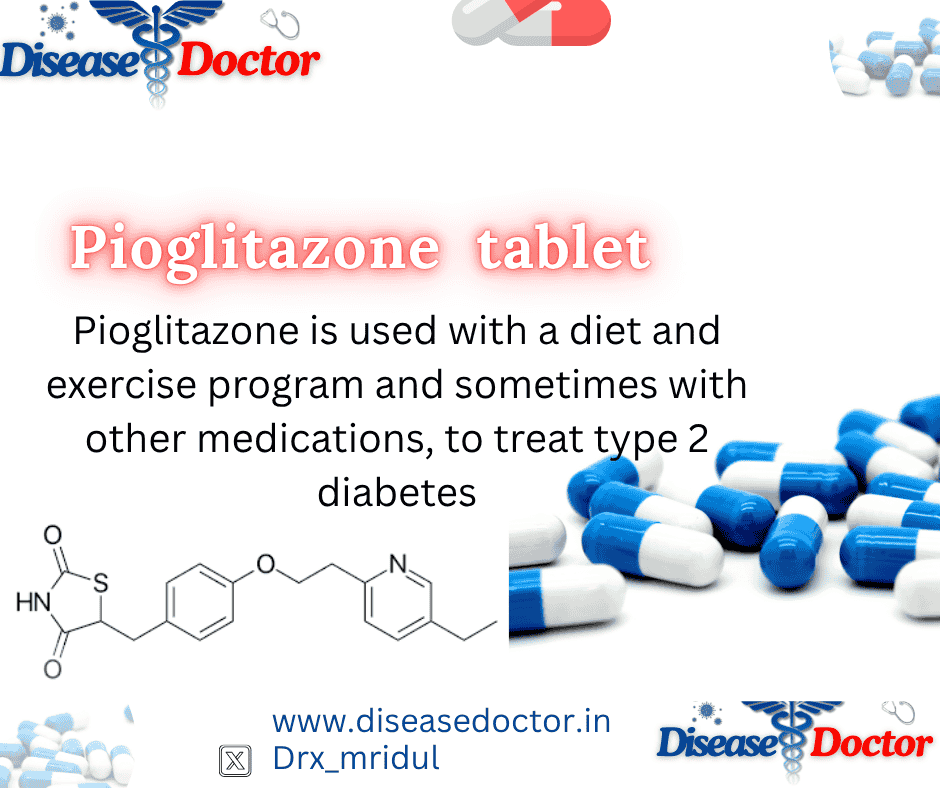
Pioglitazone is an oral anti diabetic drug, which belongs to the class of drugs known as thiazolidinedione. It is mainly used to treat type 2 diabetes mellitus as it helps in regulating the blood sugar levels. This medicine would not be a replacement for insulin but instead would be an adjunct to diet and exercise approaches to enhancing the body’s sensitivity towards insulin. It is usually prescribed when other diabetes drugs such as metformin cannot work alone.
Approved by regulatory bodies such as FDA, Pioglitazone can be found under brand names such as Actos and come in different strengths. It aims at assisting the patients in achieving a better glycemic control and the risk of complications associated with the disease in the long run.
⚙️ How Pioglitazone Works
Pioglitazone acts by addressing the insulin resistance; the major issue of type 2 diabetes. It reacts to a particular receptor in the body namely PPAR-gamma (Peroxisome Proliferator-Activated Receptor Gamma). When pioglitazone activates this receptor, it assists the fat cells and muscle cells to be more receptive to the hormone insulin and thus be able to absorb glucose from the bloodstream in a more effective manner.
Whereas for some other diabetic drugs that can stimulate insulin release, pioglitazone does not enhance secretion of insulin. Instead, it enhances the efficacy of the insulin in the body which makes it a good choice for those people who have skin problems when it comes to the production of insulin, yet produce a little bit of their own insulin.
Additionally, pioglitazone may also help in reducing the inflammation and improved lipid profiles that could provide some cardiovascular gains. However, it has to be applied with caution in patients with heart or liver complications.
✅ Indications: When is Pioglitazone Prescribed?
Pioglitazone is commonly used for the treatment of type 2 diabetes mellitus. It is catered for when one’s diet, exercise and other forms of drugs such as metformin, sulfonylureas etc. fail to provide proper control of blood sugar. This drug is not applied in the treatment of type 1 diabetes as well as diabetic ketoacidosis because it presupposes the level of insulin for proper operation.
Doctors may also use pioglitazone in combination with other antidiabetic drugs namely metformin, sulfonylureas, or insulin. It is very helpful for those patients that are overweight or have insulin resistance because it enhances the manner in which the body handles insulin without increasing insulin levels.
Pioglitazone can be prescribed off-label in some cases (with the medical supervision), for example, to treat polycystic ovary syndrome (PCOS) or non-alcoholic fatty liver disease (NAFLD).
⚖️ Dosage and Administration
Pioglitazone is orally administered, taken either once a day, with or without food. The standard dose for taking is 15 mg or 30 mg daily based on the condition of the patient and other drugs that he or she may be taking. Your doctor may titrate the dose, ranging between 15 mg to 45 mg each day, to increase control over your blood sugar.
One should strictly follow the prescribed dosage, not to miss and not to double doses. Monitoring of blood glucose, liver function, and heart functions are recommended during treatment.
Healthy diet, regular exercise, and routine medical checkups should remain a part of patients’ care as pioglitazone is only a part of diabetics’ management plan.

⚠️ Side Effects and Precautions
Like all drugs, Pioglitazone may have side effects, not every patient has them. Common side effects include:
- Weight gain
- Swelling (edema), especially in the legs or ankles
- Muscle pain
- Headache
- Sinus infections or upper respiratory symptoms
More serious but less common side effects may include:
- Heart failure or worsening of pre-existing heart conditions
- Liver problems (jaundice, dark urine, fatigue)
- Bladder cancer risk (mainly with long-term use)
- Bone fractures, especially in women
Precautions:
Before proceeding to Pioglitazone, it is necessary for one to inform the doctor of any history concerning heart disease, liver disease or bladder cancer. Monitoring of liver enzymes and heart function should be made regularly at the course of the treatment. Also, this drug should be used with care on old people and those suffering from retained fluids.
🚫 Who Should Avoid Pioglitazone?
Pioglitazone is good for not everyone. It should be avoided and used with the greatest caution in the following cases:
Type 1 diabetes or diabetic ketoacidosis (in case of insulin-dependent diabetes, it is not effective)
Patients with congestive heart failure (patients of NYHA class III or IV in particular)
Patients with a past of bladder cancer
Individuals with active liver disease
Pregnant or breastfeeding women, when not recommended by a doctor
Besides, those who are allergic to pioglitazone and similar drugs belonging to the thiazolidinedione class should not use this drug.
🔄 Drug interactions to look out for
Pioglitazone can interact with several other drugs which can diminish the strength of this drug or make it dangerous. Notable interactions include:
Insulin or sulfonylureas – Increases the risk of low blood sugar level (hypoglycemia)
The administration of oral contraceptives – Pioglitazone may reduce their effectiveness
Gemfibrozil – Might raise the levels of pioglitazone in the blood
Rifampin – Might impair the effectiveness of pioglitazone
Always inform your doctor of all the medications that you are taking such as the over-the -counter drugs, herbal supplements and vitamins to prevent bad combinations.
🩺 Pioglitazone in Diabetes Management
Pioglitazone is important in long term management of type 2 diabetes especially in cases of insulin resistance patients. Contrary to medicines that trigger insulin secretion, pioglitazone enhances insulin sensitivity, thus improving the body’s ability to use insulin efficiently. This makes it especially effective in conjunction with other drugs such as metformin, sulfonylureas or insulin, as a full blood sugar control strategy.
In addition, pioglitazone has demonstrated benefits aside from glucose regulation. It can support an enhancement of lipid profiles (lowering triglycerides and raising HDL cholesterol) and it may have some cardiovascular protective effects, but it is an area of continued research.
For patients with a poorly controlled blood sugar despite efforts to change their lifestyle and other medicines, the usage of pioglitazone can be a useful addition to the treatment course — in case such usage is under strict medical supervision.
🧪 Clinical Studies and Efficacy
Pioglitazone has been assessed in clinical trials as a treatment for type 2 diabetes on several occasions. The most significant ones included the PROactive study that sought its results among the patients with type 2 diabetes who had a record of cardiovascular diseases. As it was found out from the study, pioglitazone wasn’t able to significantly decrease all cardiovascular events, but it reduced stroke and recurrent heart attacks risk in some patients.
Other studies have revealed that using pioglitazone has proved useful in lowering HbA1c by approximately one percent to one and a half percent making it as effective as other oral based diabetes medications. Moreover, it has been linked to better beta-cell function and decreased insulin-resistance of long-term use.
But, these benefits are counter-balanced with possible disadvantages such as fluid retention, and weight gain as well as very rare but severe side-effects.
📌 Conclusion: Is Pioglitazone Right for You?
Pioglitazone has great potential in the management of type 2 diabetes, particularly for the patients who did not reach the target glucose levels using the first line therapies. The fact that it can enhance the sensitivity of insulin makes it effective for dealing with insulin resistance inter alia for many patients.
It is not suitable for all people though. In case of a history of heart failure, liver disease, or bladder cancer, your doctor may advise you of other treatment options. Always seek permission from your healthcare professional before starting or altering any of the diabetes medications.
With proper monitoring and medical guidance, pioglitazone can be an effective option for long-term blood sugar control.